

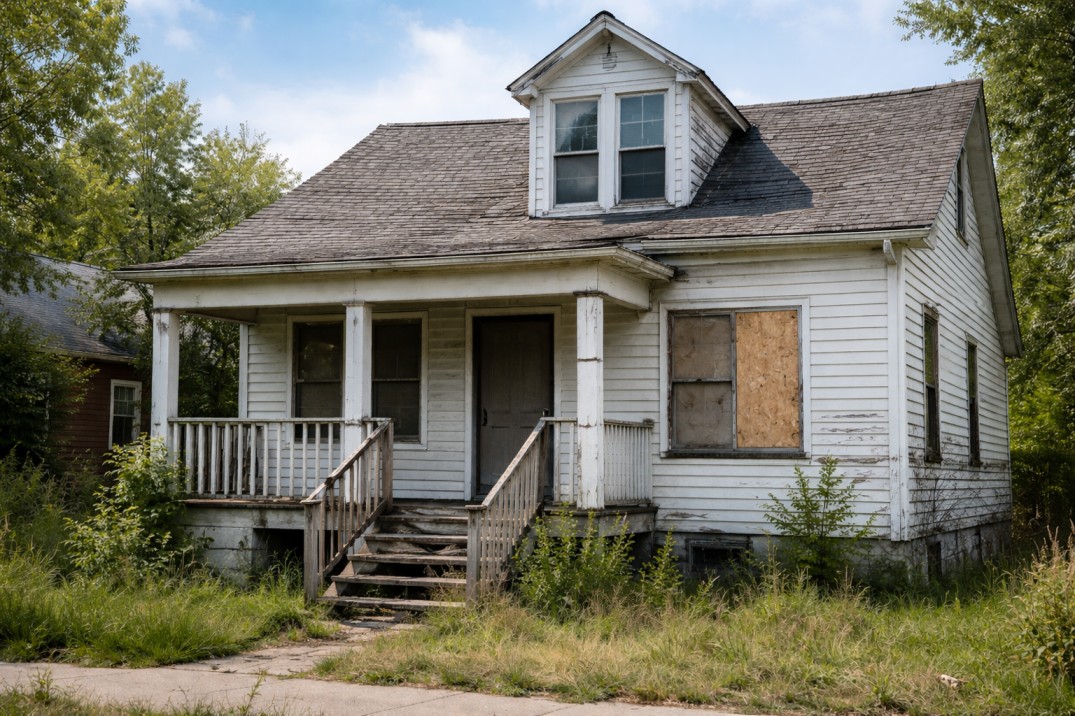
Owning a house that has been cited for code violations in Kansas City can quickly turn stressful. Maybe the property has been vacant for a while. Maybe repairs were put off for years. Or maybe you inherited a house that needs more work than you expected. Whether the issues involve exterior maintenance, structural repairs, or unpermitted updates, the main concern becomes whether you can move on without fixing everything first.
The reality is that properties with code violations are sold in Kansas City all the time. The violations do not automatically prevent a sale. What they do affect is the type of buyer you can realistically work with, how financing is handled, and how the condition of the home influences the final price. Some issues are minor and easy to navigate. Others require a more strategic approach.
Your next step depends on how serious the violations are, how quickly you want to sell, and whether you are willing to invest time or money into repairs before listing.
If you are also trying to figure out whether market timing matters, you may want to read our guide on whether it is a good time to sell a house in Kansas City right now.
What Are Code Violations in Kansas City, MO?
Code violations are issues where a property does not meet local building, safety, or maintenance standards set by the city. In Kansas City, these standards are enforced by the city’s Neighborhood Services Department. Violations can range from minor exterior issues to serious structural or safety concerns.
Common code violations in Kansas City include:
- Overgrown grass or weeds
- Peeling exterior paint
- Broken windows or doors
- Roof damage or missing shingles
- Foundation cracks
- Unsafe electrical wiring
- Plumbing leaks
- Mold or water damage
- Unpermitted renovations
- Unsafe decks or stairs
Some violations are cosmetic. Others involve safety hazards that must be addressed immediately. If the city inspects your property and finds issues, you will typically receive a written notice outlining what must be fixed and within what timeframe.
Structural issues such as foundation damage can complicate things even further. If your property has deeper structural concerns, you can learn more about selling a house with foundation problems in Kansas City and what that process looks like.
Can You Legally Sell a House With Code Violations in Kansas City, MO?
Yes, you can legally sell a house with code violations in Kansas City, MO. Open violations do not prevent you from listing or transferring ownership. A property does not become unsellable simply because the city has cited issues. What changes is how the sale is structured and what type of buyer can realistically move forward.
Missouri law requires sellers to disclose known material defects, and open violations usually fall into that category. Being transparent protects you from legal problems after closing and keeps the transaction straightforward.
Where most challenges arise is with financing. Many traditional buyers rely on mortgage loans, and lenders often require the home to meet basic safety and habitability standards. If the violations involve structural damage, electrical concerns, roofing issues, or other serious problems, the lender may refuse to fund the loan until repairs are made. Even when a buyer is interested, the bank may not approve the deal.
Inspections can also lead to renegotiation. Buyers may request repairs, credits, or price reductions once violations are confirmed. While selling is legally allowed, the type of buyer you choose will heavily influence how smooth the process is.
What Happens If You Ignore Code Violations?
Letting code violations sit unresolved in Kansas City can create more pressure over time. Once a property has been cited, the issue does not simply go away. The city can begin issuing fines, and in some cases those fines accumulate daily until the problem is corrected. If violations remain open for too long, the situation can move into municipal court.
Unpaid fines or city-ordered work can also result in a lien being placed on the property. A lien attaches to the home itself, which means it must usually be resolved before the property can be sold or refinanced. In more serious cases, especially when there are safety hazards or structural concerns, the property can be declared unsafe or even condemned.
In some cases, open violations are tied to deeper financial strain, including foreclosure risk. If that applies to your situation, you can explore your options for selling a house facing foreclosure in Kansas City.
For homeowners who are already dealing with financial strain, these added penalties can make it harder to recover. The longer violations remain open, the more complicated and expensive the situation can become. That is why many property owners begin exploring how to sell a house with code violations in Kansas City, MO before enforcement actions escalate further.
Your Options for Selling a House With Code Violations
When you are dealing with open violations, the right approach depends on your timeline, financial situation, and how much involvement you want in the repair process. Some homeowners prefer to correct everything and aim for top market value. Others would rather avoid additional expenses and move on quickly. In Kansas City, there are three realistic paths most sellers consider.
Option 1: Fix the Violations Before Listing
This approach makes sense if you have access to funds and time to complete the required repairs. Once the violations are corrected and cleared, the home can be listed like any other property on the traditional market. Removing violations often opens the door to more buyers and smoother financing.
Pros include higher potential sale price, stronger buyer interest, and fewer issues with inspections or mortgage approval.
Cons include upfront repair costs, possible delays while waiting on contractors, and the risk of discovering additional problems during the repair process.
Option 2: List the Property As Is
You can choose to list the home in its current condition and disclose the open code violations. This strategy typically attracts investors or buyers who are comfortable taking on renovation projects. The property is marketed openly as needing work, which sets expectations from the beginning.
Pros include avoiding immediate repair expenses and gaining exposure to a wider audience through the open market.
Cons include heavier negotiation, potential financing obstacles, and the possibility of the home sitting longer if retail buyers are not comfortable with the condition.
Many homeowners also wonder whether they will take a loss when selling in its current condition. We break that down in detail in our article on whether you will lose money if you sell your house as is.
Option 3: Sell Directly to a Cash Buyer
Some homeowners prefer a direct sale to a cash buyer who specializes in distressed properties. These buyers are often prepared to purchase homes with open violations without requiring repairs before closing. The transaction usually focuses on the property’s current condition rather than what it could look like after updates.
Pros include no repair requirements, no agent commissions, a faster closing timeline, and no need to rely on bank approval.
The tradeoff is that the sale price typically reflects the cost of repairs and the buyer’s investment risk.
If your main priority is speed, simplicity, and reducing uncertainty, a direct cash sale can remove many of the obstacles that come with traditional listings. If you are considering that route, it is important to know what to look for and how to protect yourself. Here is how to determine if a cash home buyer is legit before moving forward.
Do You Have to Disclose Code Violations in Missouri?
Yes. Missouri law requires sellers to disclose known material defects, and open code violations typically fall into that category. If you are aware of unresolved issues or official notices, that information should be shared with potential buyers. Failing to disclose can lead to legal disputes after closing, especially if the buyer claims they were not informed.
Disclosure also protects you. When violations are addressed upfront, buyers can factor repair costs into their offer, and expectations are clear from the beginning. Even investors who plan to renovate need accurate details about the property’s condition. Being transparent reduces liability and helps prevent problems after the sale is complete.
How Code Violations Affect Property Value in Kansas City
The value impact depends on the type and severity of the violations.
Minor issues such as tall grass or peeling paint may have little impact. Major structural or safety violations can significantly reduce the market value. Issues such as termite damage can have a similar impact on pricing. If pests are part of the problem, here is what to know about selling a house with termite damage in Kansas City.
Buyers will often calculate:
- Estimated repair costs
- Permit fees
- Risk of additional hidden problems
- Time required to bring property up to code
If the home requires extensive updates, investors may price in both the renovation cost and their profit margin. That can lower your net proceeds compared to a fully updated property.
What About Liens Related to Code Violations?
If the city completes repairs or imposes fines that go unpaid, a lien may be placed on the property. Liens must typically be resolved before or at closing.
When selling, the lien amount can be:
- Paid off from sale proceeds
- Negotiated as part of the transaction
- Factored into the purchase price
A professional title company will identify any liens during the closing process. It is better to know about them early so you can plan accordingly.
How Long Does It Take to Sell a House With Code Violations in Kansas City, MO?
The timeline depends largely on the path you choose and the severity of the violations.
If you decide to repair the issues first and list the property on the traditional market, the process can take several months. You have to factor in contractor availability, inspection rechecks, listing time, buyer negotiations, and the standard closing period. Unexpected repair discoveries can also extend the timeline.
If you sell directly to a local cash buyer, the process can often close in a few weeks. Because there is no lender involved, you avoid appraisal requirements and many financing delays. The main factors that can affect speed are title work, outstanding liens, and how quickly paperwork is completed.
The more serious the violations, the smaller your buyer pool becomes. Properties with structural or safety concerns typically attract investors rather than retail buyers, which is why targeted marketing toward experienced buyers often leads to a faster and more predictable sale.
Frequently Asked Questions
Can I sell my house if it has been condemned in Kansas City?
Yes, but it is more complex. Condemned properties usually require significant repairs or demolition. Most retail buyers cannot purchase them with financing, so investor buyers are typically the main option. In these cases, pricing and terms are heavily influenced by the cost of bringing the property back to a safe and livable condition.
Do I have to bring the property up to code before closing?
Not necessarily. It depends on the buyer and the agreement. Cash buyers often accept properties as is, while financed buyers may require certain repairs before closing. The final decision typically comes down to lender requirements and what is negotiated in the purchase contract.
Will code violations show up during a home inspection?
Yes. Most inspectors will note visible issues, and open violations may also appear in public records. Even if violations are not immediately obvious, documentation from the city can surface during due diligence or title review.
What happens to my mortgage if I sell the house for cash?
When you sell for cash, the mortgage is typically paid off at closing from the proceeds of the sale. If you want a full breakdown of how that works, read our guide on what happens to your mortgage when you sell a house for cash.
Final Thoughts
Code violations can add pressure, especially when the property already needs work. The important thing to remember is that you are not stuck. You can choose to make repairs, sell the home as it stands, or work with a buyer who is comfortable purchasing properties with open violations.
Selling a house with code violations in Kansas City, MO is possible. The right path depends on how quickly you want to move, how much you want to invest in repairs, and what outcome makes the most sense for your situation. Review the notice carefully, weigh the costs, and choose the approach that allows you to move forward with clarity and confidence.
If you are dealing with open code violations and want to understand your options without pressure, we buy houses in Kansas City in their current condition. You do not need to make repairs or clear violations first. Contact KC House Offers today for a straightforward conversation about what your property might be worth.