

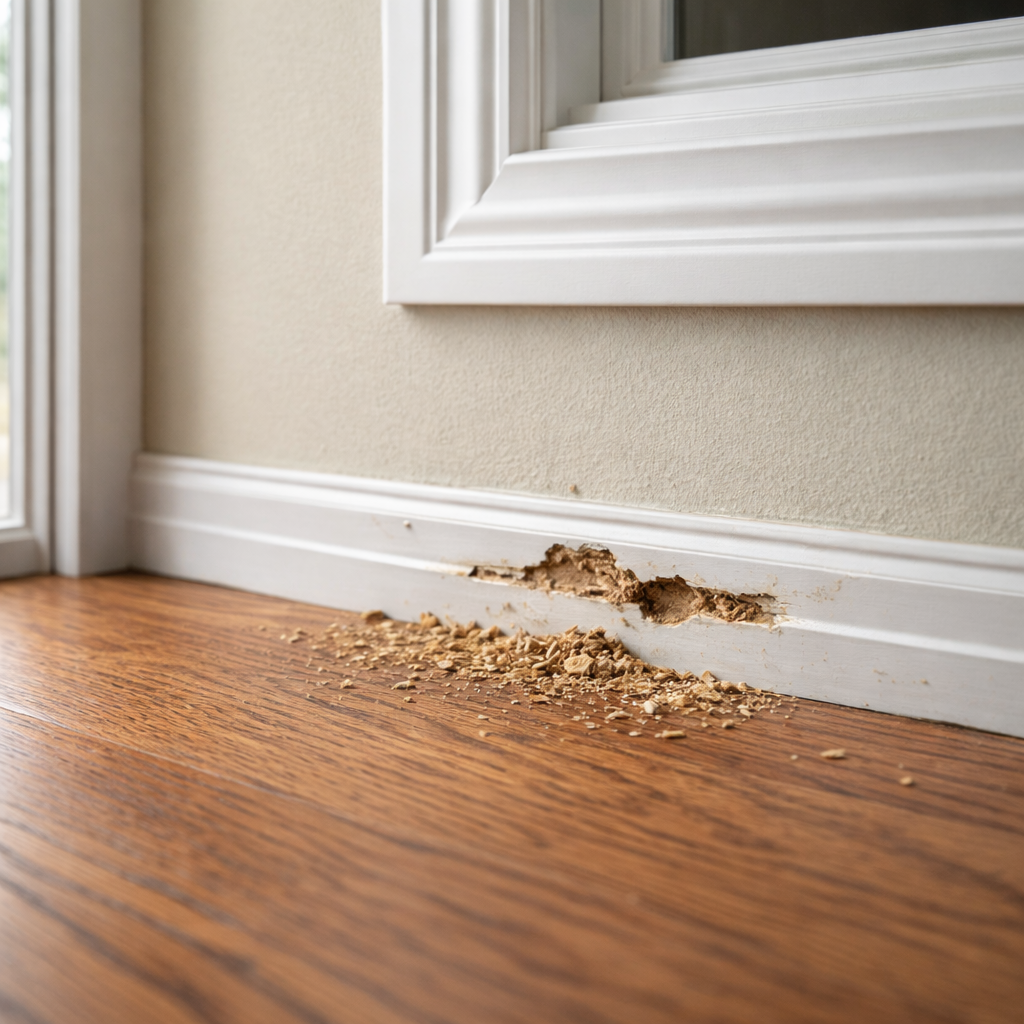
Finding termite damage in your home can raise immediate concerns about whether selling is even possible, especially in a market like Kansas City where inspections and disclosures play a major role in real estate transactions. Many homeowners worry that visible damage or a past infestation automatically means expensive repairs or a stalled sale.
The reality is that a house with termite damage can still be sold in Kansas City, even if the damage has not been repaired. Properties in this condition are sold every year, both through traditional listings and through as-is sales. Some sellers choose to fix the problem before listing, while others move forward without repairs, depending on the severity of the damage, their timeline, and their financial situation.
Selling a house with termite damage in Kansas City comes down to understanding your options and choosing the right type of buyer. Knowing how termite issues affect value, disclosures, and buyer expectations can help you avoid unnecessary expenses and move forward with a sale that fits your goals.
How Termite Damage Affects Home Value in Kansas City
Termite damage can reduce a home’s value in Kansas City, but the amount depends largely on the severity of the damage and whether the infestation is active or has already been treated. Minor damage that was addressed early, with documentation showing treatment and repairs, may only lead to a modest price adjustment. In contrast, damage that affects framing, subfloors, or other structural components can significantly lower a home’s market value.
Kansas City buyers and lenders tend to approach termite issues with caution. Traditional buyers often rely on inspections and mortgage approval, and termite damage discovered during that process can quickly change the terms of a deal. Lenders may require repairs before funding a loan, and buyers frequently renegotiate the price to account for repair costs, uncertainty, and potential future risk.
In some cases, termite damage occurs alongside other structural concerns, and homeowners dealing with multiple issues may also want to understand their options for selling a house with foundation problems in Kansas City.
Cash buyers evaluate termite damage differently when determining value. Rather than focusing on inspection contingencies or lender requirements, they factor estimated repair costs directly into their offer. This approach often results in a faster, more predictable sale since repairs are not required upfront and the closing timeline is not tied to financing conditions.
Do You Have to Fix Termite Damage Before Selling a House in Missouri?
Missouri law does not require homeowners to repair termite damage before selling a house. What the law does require is full disclosure of known issues. If you are aware of current termite activity or past infestations that caused damage, that information must be shared with potential buyers.
Disclosure is often misunderstood. Disclosing termite damage does not create a legal obligation to fix it. It simply means you must be honest about what you know. A seller can legally move forward with a sale even when termite damage exists, as long as that damage is properly disclosed during the transaction.
The pressure to repair usually comes from the type of sale, not from state law. When selling through traditional real estate channels, agents often recommend repairs so the home can meet lender requirements and appeal to buyers using financing. Mortgage lenders may require repairs before approving a loan, which can delay or complicate the sale. In situations where repairs are costly or time-consuming, this approach is not always in the seller’s best interest.
For homeowners considering selling a house with termite damage in Missouri, understanding the difference between disclosure and repair requirements can help avoid unnecessary expenses and make it easier to choose the right selling strategy.
Selling a House with Termite Damage in Kansas City Without Repairs
Selling a house as is is often the most practical option for Kansas City homeowners dealing with termite damage. An as-is sale means the property is sold in its current condition, without completing repairs, treatments, or upgrades before closing. This approach allows sellers to avoid the time, cost, and uncertainty that often come with fixing termite related issues.
Many sellers worry about pricing when skipping repairs, which is why it is important to understand whether you will lose money if you sell your house as is.
This option is commonly chosen when the damage is extensive or difficult to fully assess, especially in older homes where termites may have affected hidden areas such as framing, subfloors, or wall cavities. It also makes sense when repair costs are high, timelines are tight, or the seller does not want to coordinate inspections, contractors, and follow-up work.
Homeowners often choose to sell as is when:
- The termite damage is widespread or structural
- Repair estimates are expensive or unpredictable
- The home is older and likely to have additional hidden issues
- A quick sale is needed due to relocation, financial pressure, or inheritance
- Managing repairs and contractors would add stress or delays
Cash buyers in Kansas City, such as KC House Offers, regularly purchase homes in as-is condition. They expect issues like termite damage and account for repair costs when making an offer, rather than requiring fixes upfront. This eliminates inspection contingencies, repair negotiations, and lender-related delays that can slow down traditional sales.
This situation is especially common for inherited properties, and homeowners navigating that process may also find guidance in how to sell your parents’ house in Kansas City.
Selling a house with termite damage as is does not mean sacrificing fairness or transparency. It simply means prioritizing speed, simplicity, and certainty over investing time and money into renovations that may not deliver a strong return before the sale.
Should You Repair Termite Damage Before Selling?
In some situations, repairing termite damage before selling may make sense. Minor, localized damage that is affordable to fix can improve a home’s appeal and help attract traditional buyers, especially when listing with a real estate agent. Small repairs may also reduce buyer concerns during inspections.
That said, many homeowners underestimate the true cost of termite repairs. Damage often extends beyond what is visible, and once work begins, additional issues are common. Structural repairs, permits, and scheduling delays can quickly turn a manageable project into a costly and time-consuming one.
Before deciding to repair, it is important to weigh:
- The total cost of repairs
- The time required to complete the work
- The risk of uncovering additional hidden damage
- The difference in net proceeds after the sale
For many homeowners, selling a house with termite damage without making repairs results in a similar or better outcome once time, expenses, and stress are taken into account.
Selling a House with Active Termites vs Past Damage
Homes with active termites are viewed differently than those with past, treated damage. When termites are currently present, most buyers will expect the issue to be addressed before moving forward. This often means providing proof of professional treatment to stop the infestation. While termite treatment is usually less expensive than repairing structural damage, it still adds an extra step and can delay the selling process.
Past termite damage that has already been treated is typically easier to sell, especially when documentation is available. Records showing when the infestation was treated and whether repairs were completed can help reassure buyers, even if some visible damage remains. Buyers tend to focus more on whether the problem is resolved rather than whether the home is completely free of imperfections.
Cash buyers often approach this situation differently. If active termites are present, they may choose to handle treatment themselves after purchase. Because they are not relying on lender requirements or traditional inspection contingencies, active infestations are usually less of a concern, allowing sellers to move forward without added delays or pre-sale obligations.
Can You Sell a House with Termite Damage and Still Close Fast?
Yes, it is possible to close quickly when selling a house with termite damage, especially when working with a cash buyer. Traditional home sales often take months due to inspections, repair negotiations, and lender requirements. Even minor termite issues can slow the process or cause buyers to back out entirely.
For homeowners facing financial strain or missed payments, selling quickly can also help avoid deeper consequences like foreclosure, and there are options for selling a house with foreclosure in Kansas City.
A direct sale to a cash buyer removes many of those obstacles. Because cash buyers do not rely on bank financing and typically purchase homes as is, repairs are not required before closing. Many Kansas City homeowners are able to close in a matter of days or weeks rather than waiting through a long listing process.
Homeowners with an existing loan often ask how a fast sale affects what they still owe, especially when choosing a cash offer, and it helps to understand what happens to your mortgage when you sell a house for cash.
A fast sale is often a priority when:
- There is financial pressure or looming expenses
- The property was inherited
- The home is vacant and costly to maintain
- A relocation is pending
- Ongoing maintenance costs need to be avoided
This approach offers speed and certainty without the delays commonly associated with traditional sales.
How Disclosure Works When Selling with Termite Damage
When selling a house with termite damage in Kansas City, proper disclosure is essential. Sellers are required to disclose known issues, not potential or suspected problems. If you have records of termite inspections, treatments, or repairs, that information should be shared with potential buyers as part of the sale process.
Failing to disclose known termite damage can create serious issues later. Inspections often uncover past or present infestations, and undisclosed damage can lead to renegotiations, delayed closings, or legal disputes after the sale. Being upfront helps prevent surprises and keeps the transaction moving forward smoothly.
Disclosure does not mean you are obligated to fix the damage. It simply allows buyers to make informed decisions based on accurate information. Cash buyers are accustomed to working with disclosed issues and typically perform their own evaluations before making an offer, making transparency an important step rather than an obstacle when selling a house with termite damage.
Why Many Kansas City Sellers Choose Cash Buyers for Termite Damage
Many Kansas City homeowners choose to work with cash buyers when termite damage is involved because it removes many of the common obstacles found in traditional sales. There are no lender repair requirements, no appraisal issues tied to property condition, and no inspection negotiations that stretch the process out for weeks or months.
Before accepting an offer, many homeowners want reassurance that they are working with a reputable company, which makes it helpful to know how to tell if a cash home buyer is legit.
Cash buyers evaluate homes based on practical factors rather than financing guidelines. They focus on:
- The overall condition of the property
- Estimated repair and treatment costs
- Local Kansas City market values
- Speed, simplicity, and certainty of closing
This approach is especially appealing for sellers who want a straightforward sale without ongoing negotiations, unexpected delays, or the risk of a deal falling apart late in the process.
What Affects the Offer Price When Termite Damage Is Present
When termite damage is involved, buyers look at more than just the visible issues. The offer price is based on a combination of repair scope, risk, and local market conditions rather than a single factor. Professional buyers assess the property as a whole before determining a number.
Key factors that influence the offer include:
- Severity of the damage, especially if structural components like framing or floors are affected
- Whether termites are active or the infestation has already been treated
- Accessibility of damaged areas, which affects repair time and cost
- Overall condition of the home, including age and maintenance history
- Location within Kansas City, since neighborhood demand impacts value
- Recent comparable sales, which help establish realistic pricing
A professional buyer evaluates these details upfront rather than adjusting the price later through negotiations. While termite damage may lower the offer compared to a fully renovated home, this approach often results in a fair, predictable price without requiring the seller to invest additional time or money into repairs before closing.
Final Thoughts
Selling a house with termite damage in Kansas City is more common than many homeowners realize. You are not required to fix the damage before selling, and you have options depending on your goals.
If maximizing price through repairs makes sense for your situation, that path is available. If speed, convenience, and avoiding repairs are more important, selling as is to a cash buyer can be a smart alternative.
The key is understanding your choices and selecting the one that aligns with your timeline, finances, and peace of mind.
If you are looking to sell a house with termite damage in Kansas City without repairs or delays, KC House Offers buys houses for cash as is. You can request a no-obligation offer and choose a closing timeline that works for you.